


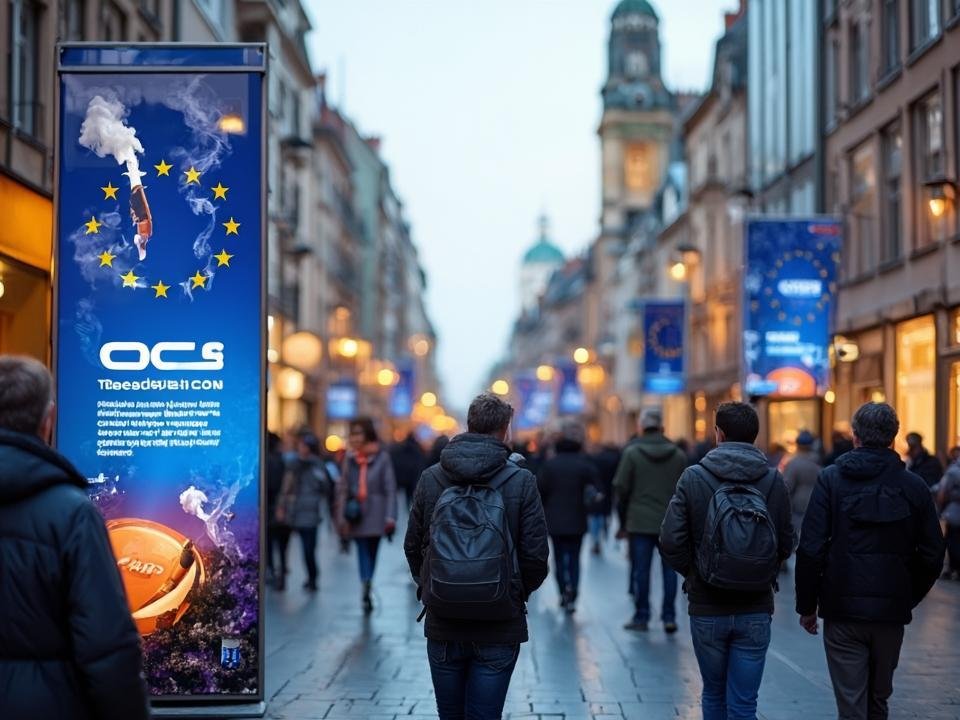
Core insight: On the eve of COP11, the EU’s tough stance on new nicotine products has undergone a critical softening. This marks a shift in the EU’s tobacco control strategy from an ideologically driven “one size fits all” ban to a more pragmatic, evidence-based, and risk-differentiated regulatory paradigm, opening up new political space for global tobacco harm reduction (THR) strategies.
Driving factors:
- The manifestation of public pressure: Large-scale pan-European public consultation activities have become a key catalyst. More than 13,000 public opinions have been officially submitted regarding the nicotine tax proposal. Consumers and harm reduction advocates strongly oppose treating low-risk products equally with traditional cigarettes, and this strong public opinion directly affects the decision-making level in Brussels.
- Realism of member states: The EU is not a monolithic entity. The successful cases of Sweden using snuff and nicotine pouches to reduce smoking rates to below 5%, as well as the failed lessons of Denmark’s implementation of flavor bans leading to the proliferation of black markets, all demonstrate the ineffectiveness of unified bans. These real-world data from member states force the EU to recognize differentiation and flexibility at the national level.
- The accumulation of global evidence: Regulatory and market dynamics on a global scale have also exerted external pressure on the European Union. For example, the re-authorization of Juul products by the US FDA and successful cases of reducing smoking rates through the promotion of new nicotine products in countries such as Japan and New Zealand have demonstrated the effectiveness of harm reduction strategies. This makes the EU’s tough stance increasingly isolated and outdated in the global context.
- Internal political compromise: The latest draft text implicitly acknowledges the differences among member states and allows each country greater autonomy in specific policies. This indicates that the European Commission is aware that forcibly implementing a unified and extreme ban agenda is not feasible and must maintain internal unity through compromise, in order to shift towards a more flexible framework.
Key evidence:
- Change in wording: The new draft has removed language describing non-combustible products as “extremely harmful,” which is an important tone-easing signal.
- Update of evaluation criteria: The text explicitly mentions the need to consider “proportionality, scientific evidence, emissions data, and real-world impact analysis,” marking a return of decision-making from ideology to scientific evidence.
- The improvement of regulatory flexibility: The regulation of flavor restrictions has shifted from mandatory requirements in the past to “delegated to national discretion,” which directly responds to the core concerns of countries such as Sweden.
- The lessons of policy failure: The report clearly states that Denmark’s case shows that flavor bans have given rise to “underground channels,” and there are data models proving that “policies that confuse relative risks are actually protecting cigarettes, not public health.”
Strategic Inspiration: The EU’s recent position adjustment is far more than just a tactical concession at the COP11 negotiation table. It may indicate a deeper strategic turning point in the global tobacco control field. This means that the “tobacco harm reduction” strategy based on the principle of risk proportion is gradually entering the mainstream policy perspective from marginal discourse. Although the struggle is far from over, this “crack” within the EU provides a strategic opportunity for science and pragmatism to occupy a more central position in global public health decision-making. In the future, the focus of global regulation may shift from a single goal of “eliminating nicotine” to building a more refined regulatory framework that can distinguish different product risks and encourage adult smokers to switch to lower-risk alternatives.