

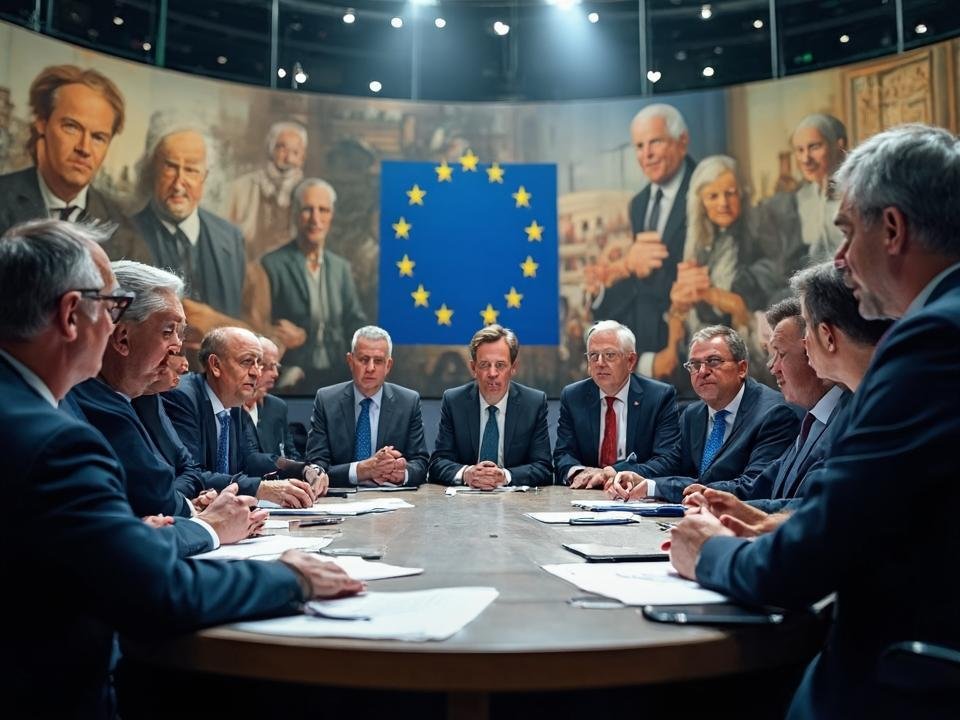
Core insight: The EU’s softening of its stance on new nicotine products on the eve of COP11 is not a comprehensive acceptance of the “tobacco harm reduction” concept, but rather a sign that its policy focus is shifting from an ideologically driven hardline approach to a pragmatic approach driven by real data, member state pressure, and public opinion. This subtle but crucial shift has opened a strategic gap for a risk-based regulatory model.
Driving factors:
- Strong public and political backlash: The public consultation covering Europe received over 13,000 formal opinions, with high participation from countries such as Sweden. This strong public opinion, combined with the actual national conditions and political pressure of member states such as Sweden (which relies on snuff and nicotine pouches to reduce smoking rates to 5%) and Denmark (which is concerned about the ban giving rise to black markets), has forced the EU to reassess its “one size fits all” tough stance.
- The persuasiveness of real-world data: Increasing evidence suggests that extreme restrictive policies, such as flavor bans, can backfire, leading to the formation of illegal markets and weakening the achievement of public health goals. At the same time, countries such as Japan and New Zealand have provided policymakers with alternative and more effective regulatory pathways by supporting successful cases of new nicotine products reducing smoking rates, as well as international precedents such as Juul products regaining FDA authorization.
- The inevitable challenge brought by technological innovation: The existence and popularization of smokeless nicotine products have become an irreversible market reality. If traditional tobacco control systems such as the Global Framework Convention on Tobacco Control (FCTC) continue to avoid risk classification and differentiated management of such products, their effectiveness and authority will face severe challenges. The EU’s recent adjustment is a preliminary response to this reality.
Key evidence:
- Key wording deletion: The new draft text has removed language describing non-combustible products as “extremely harmful”, which is an important shift in tone.
- Adjustment of regulatory principles: The new draft explicitly mentions the need to refer to “proportionality, scientific evidence, emission data, and real-world impact analysis”, marking the beginning of a shift in decision-making basis towards scientific evidence.
- The improvement of policy flexibility: The previously mandatory flavor restrictions have been modified to “authorize countries to make their own decisions”, which not only acknowledges policy differences among member states, but also leaves room for the successful models of countries such as Sweden.
- Quantitative expression of public opinion: In the public consultation on the nicotine tax proposal, over 13,000 comments were officially submitted, clearly demonstrating the widespread concerns of consumers and harm reduction advocates about extreme policies.
Strategic Implications: The EU’s fine-tuning of its stance indicates that the global tobacco control strategy is entering a critical turning point: the traditional “isolationist” public health model is facing irreversible impacts from technological innovation and market realities. In the future, the global nicotine regulatory landscape will no longer be a monolithic system, but is more likely to evolve into a “multi-speed” situation based on empirical data and national conditions of various countries. For all stakeholders, the strategic focus needs to shift from promoting global unified standards to influencing differentiated decisions based on risk assessment, which are more scientific and flexible for each country. This slightly open door may lead the direction of global tobacco control policies in the next decade.