


Core Insights
Juul’s return is not only a rebirth of a commercial brand, but also a key test of the long-standing opposing paradigms of “harm reduction innovation” and “moral panic” in the global public health field. Its ultimate success or failure will become a barometer, indicating whether regulatory agencies, markets, and public opinion can go beyond simple prohibition thinking and provide a rational development space for disruptive technologies in reducing public health risks.
Driving factors
- Swinging and recalibration of regulatory policies: The 180 degree policy shift of the US FDA from issuing marketing refusal orders to final reauthorization was the direct driving force behind Juul’s return. This shift reflects the difficult balance and rebalancing of regulatory authorities between the enormous social pressure of “youth protection” and the scientific evidence of “harm reduction for adult smokers”.
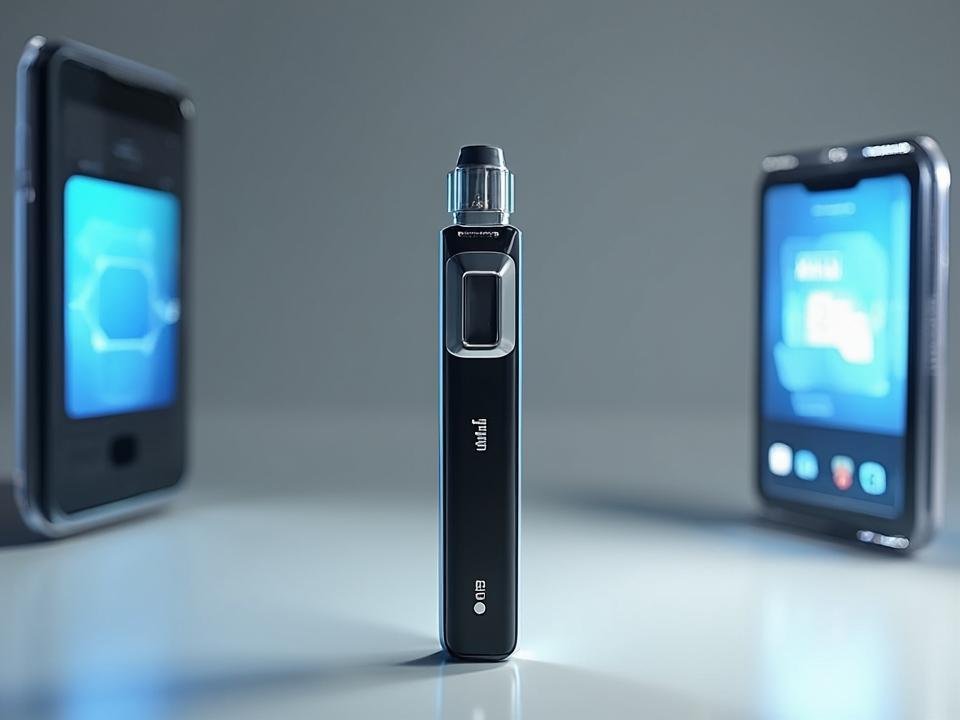
- Technological iteration and responsibility reshaping: Juul is not simply returning, but has launched the Juul2 platform that integrates age verification, Bluetooth connectivity, and other functions. This is not only a direct technical response to the criticism of “attracting teenagers” in the past, but also a key strategy to repair trust and reshape corporate responsibility image through technological innovation, aiming to position itself as part of the solution rather than the root of the problem.
- Historical reflection on the “demonization cycle”: The article points out that from Swedish snuff to nicotine bags, harm reducing products have repeatedly faced more severe attacks than traditional cigarettes, forming a “demonization cycle”. Juul’s experience is an extreme case of this cycle, and its return has triggered a reflection on the cost of this model – that stifling innovation may inadvertently protect the market position of the most harmful product (cigarettes).
- The maturity and evolution of the market landscape: The market where Juul returns is no longer the blue ocean it used to be. The global market size of smoke-free alternatives has exceeded 35 billion US dollars, with numerous competitors. The current competitive dimension has expanded from a single product experience to compliance, trust, and regulatory stability, which forces Juul to adopt a more cautious and responsible strategy in order to establish itself.
Key evidence
- The reversal of regulatory attitude: The FDA issued a marketing ban in 2022, which was later revoked, suspended, and reviewed, and finally reauthorized five Juul products in July last year, citing that “the benefits to adult public health that may replace cigarettes outweigh the risks, including adolescent attractiveness.”
- The pattern of “demonization cycle”: “Products that can significantly reduce harm are attacked more fiercely than the cigarettes they replace. Cigarettes are legal, while low-risk innovative products are seen as threats. This model is repeated on a variety of hazard reduction products.”
- Responding to Crisis with Technology: The core of Juul’s new strategy is the Juul2 platform, which “integrates age verification checks, Bluetooth connectivity… with the intention of reducing exposure to minors while improving the availability of non combustible alternatives for adult smokers“.
- The Paradox of Consumer Choice: When safer choices are restricted or excessively taxed, traditional cigarettes remain the default consumer good due to policy rather than consumer choice. This directly leads to the most harmful products having the highest market penetration rate.
Strategic insights
Juul’s revival path is a microcosm of the future development of the entire tobacco harm reduction (THR) field. Its ultimate success or failure depends not only on its own market strategy, but also on whether the entire public health ecosystem, especially regulators, can break the vicious cycle of punishing innovators. The major breakthroughs in the field of public health in the future will depend on whether we choose to embrace and responsibly guide disruptive technologies or adhere to prohibitionism. Juul’s case warns us that innovation, not prohibition, is the ultimate answer to ending the tobacco epidemic. This not only concerns the fate of a brand, but also determines whether hundreds of millions of smokers worldwide can have safer choices.