


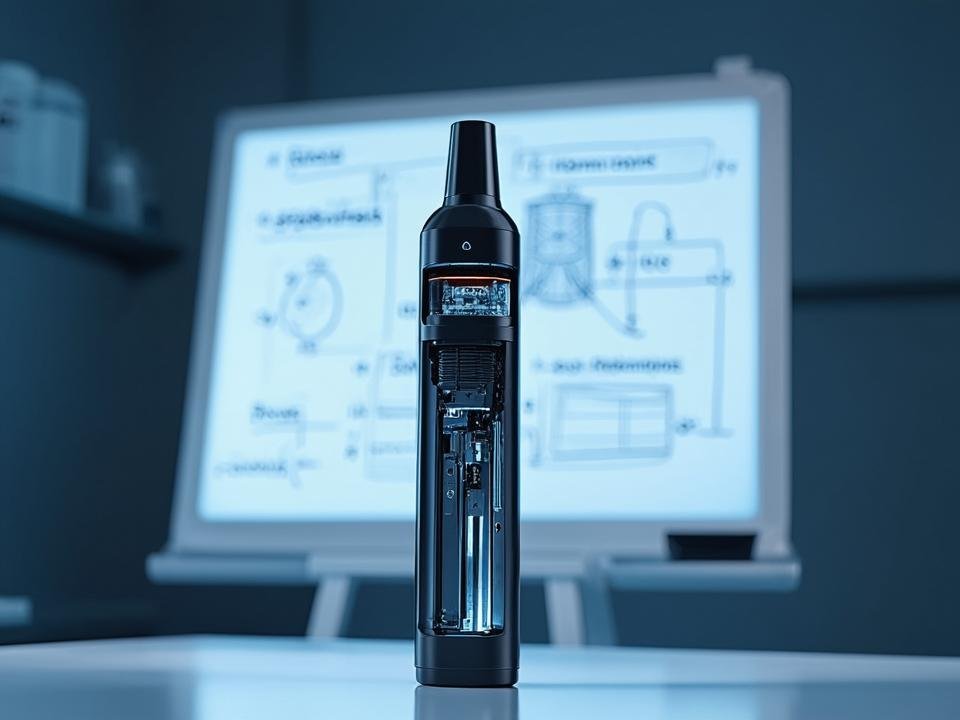
Core insight: Juul’s return is not only a commercial revival of the brand, but also a landmark turning point in the long-term conflict between Harm Reduction innovation and demonization of social responses in the field of public health. The change in attitude of the US Food and Drug Administration (FDA) indicates that the regulatory balance may be returning from moral panic to scientific evidence, opening up a challenging but clearer path for the future of low-risk nicotine products.
Driving factors:
- Re-evaluation of regulatory environment: The FDA’s core logic has undergone a fundamental shift from issuing marketing bans to ultimately authorizing the sale of Juul products. Regulatory agencies are beginning to acknowledge that the potential public health benefits of products such as Juul for adult smokers (replacing traditional cigarettes) may outweigh their attractiveness risks to adolescents.
- Response to Technological Iteration: The design of Juul 2 platform directly responds to society’s biggest criticism – the issue of youth abuse. By integrating age verification, Bluetooth connectivity, and other technological means, Juul attempts to rebuild market trust and regulatory confidence through technological innovation, demonstrating its ability to balance adult user needs with social responsibility.
- The resilience of the principle of harm reduction: The core argument repeatedly emphasized in the article – ‘People smoke for nicotine, but die from the smoke’ – is the underlying logic supporting Juul’s return. Despite facing significant controversy, its practical effectiveness as an effective smoking cessation tool has maintained its place in public health discussions.
Historical reflection on the ‘demonization cycle’: Juul’s experience is placed in a broader historical pattern. From Swedish snus to nicotine bags, many low-risk alternatives have experienced similar public opinion attacks and regulatory suppression. The repetitiveness of this pattern has prompted some decision-makers and the public to reflect on whether overreaction has actually hindered progress in public health.
Key evidence: - The reversal of regulatory attitude: “Last July, after reviewing additional evidence submitted by companies, the US FDA finally authorized five JUUL products (tobacco and menthol flavors) for sale in the United States again. The agency stated that the benefits of potentially replacing cigarettes for adult public health outweigh the risks, including adolescent attractiveness. ”
- Resolving disputes through technology: “Juul is now focusing on the Juul2 platform: a redesigned device… the product integrates age verification checks, Bluetooth connectivity… Its intention is to increase the availability of non combustible alternatives for adult smokers while reducing exposure to minors. ”
- Recognition of product effectiveness: “There are hardly any mainstream reports acknowledging that Juul is actually effective – many e-cigarette users will tell you that Juul is a device that helps them quit smoking addiction. ”
- The Reproduction of Historical Patterns: “This cycle (demonization cycle) has been the core architecture that has hindered innovation in harm reduction for decades. From… Swedish snuff… to modern e-cigarettes… and now nicotine bags… this pattern repeats itself. Products that can significantly reduce harm are attacked more fiercely than the cigarettes they replace”
Strategic insights:
Juul’s second life is a key case of observing the game between regulation, technology, and public perception. Its future success or failure is not only related to the fate of a brand, but will also profoundly affect the strategic path of global tobacco Harm Reduction. The real test lies in whether the public health system can break free from the shackles of the “demonization cycle” and establish a framework that encourages innovation, precise regulation, and risk communication based on science. Ultimately, the opportunity to save more lives depends on innovation rather than prohibition.