


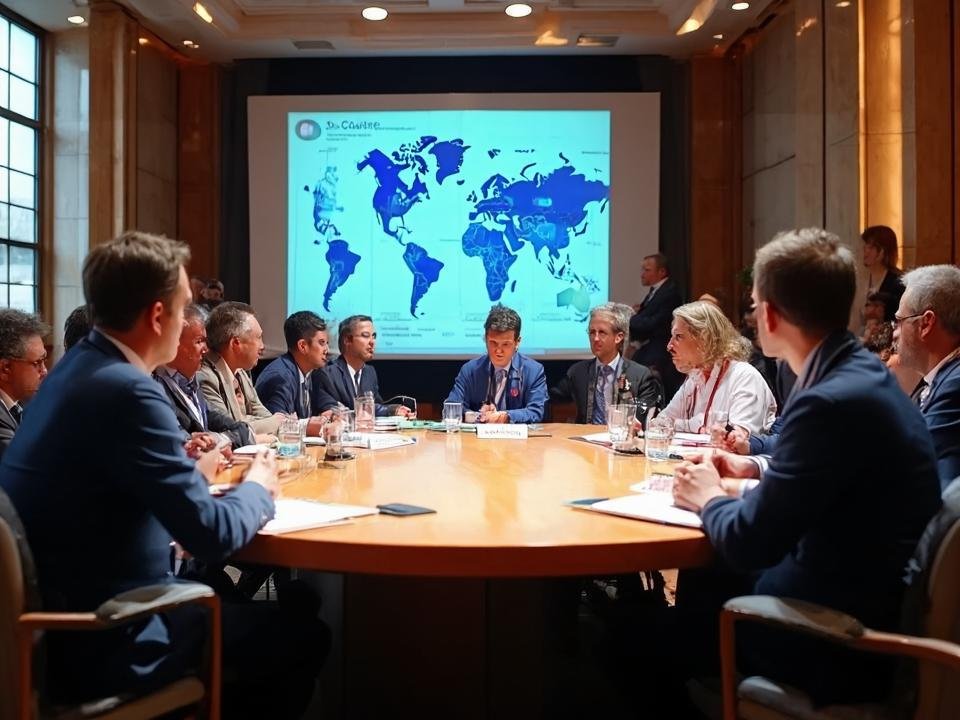
Core insight: The upcoming 11th Conference of the Parties (COP11) of the World Health Organization (WHO) is not just a regular meeting, but a critical crossroads for global tobacco control strategies. It exposes two fundamentally opposing governance philosophies: one is the “Tobacco Harm Reduction” (THR) pragmatism based on scientific evidence, represented by the UK, and the other is the comprehensive ban ideology, represented by Belgium, which adheres to ideology. The outcome of this confrontation will directly determine the future effectiveness of the WHO Framework Convention on Tobacco Control (FCTC) and its credibility in the global public health field.
Driving factors:
- Fundamental ideological differences: The core of the conflict stems from vastly different characterizations of new nicotine products, such as e-cigarettes. The harm reduction faction sees it as an effective tool to help smokers quit high-risk traditional cigarettes, while the ban faction sees it as a potential new threat to public health. This cognitive gap is the primary factor driving policy opposition.
- A stark contrast in national policy outcomes: Countries represented by the UK and Sweden have achieved record low smoking rates through the promotion of harm reduction strategies. On the contrary, Belgium, which has implemented strict restrictions, still has a high smoking rate of around 20%. The contrast between “success” and “stagnation” in the real world provides strong empirical support for harm reduction strategies and exacerbates the tension of route disputes.
- The institutional inertia and closedness of WHO/FCTC: FCTC has been criticized for having a “closed door” decision-making culture that excludes independent scientists, consumer representatives, and advocates for harm reduction. This “groupthink” and scientific isolation have led to an agenda that tends to continue traditional prohibitions and restrictions rather than embrace evidence-based innovation, thereby consolidating the prohibitionist line.
- The game of geopolitical influence: As one of the main funding countries of WHO, the UK’s position at COP11 has significant influence. The UK delegation has made it clear that they will defend the science-led harm reduction strategy, which poses a direct challenge to the mainstream prohibition narrative of the WHO Secretariat and escalates this debate from a purely scientific discussion to a political struggle.
Key evidence:
- National opposition: The UK Department of Health has confirmed that its delegation will once again emphasize that “the harm of electronic cigarettes is far less than smoking, and they are a mature tool to help adult smokers quit.” Belgium, on the other hand, continues to define e-cigarettes as a threat to public health rather than a potential solution, despite having a smoking rate of around 20%, the highest in Western Europe.
- WHO’s ban preference: According to reports, the briefing document prepared by the WHO Secretariat for COP11 “completely negates harm reduction strategies,” and the meeting agenda is filled with “new bans, expanded lawsuits against the tobacco industry, and stricter product restrictions.”
- Lack of transparency and expert warning: The COP conference only certified “29 observer organizations — while the United Nations Climate Conference has over 4000,” leading to accusations of “groupthink and scientific isolation.” Public health expert Clive Bates warns that the current direction of FCTC “risks falling into solidification failure rather than promoting public health,” and that “7.5 million people” still die from smoking worldwide every year.
- The core of the final decision: The article clearly states that “prohibition does not save lives, innovation does.”
Strategic Implications: COP11 is not only a policy debate on electronic cigarettes, but also a severe test of WHO’s scientific integrity, adaptability, and ultimate moral authority in the face of disruptive technological innovation. If FCTC continues to reject evidence-based harm reduction pathways, it will not only miss the historic opportunity to end the world’s largest preventable cause of death, but also risk eroding its credibility and leadership position with the times. On the contrary, if the pragmatic voice represented by the UK can successfully guide the agenda back to science and evidence, COP11 may open a new chapter in global health governance, shifting the focus from ideological adherence to practical results that save lives.