


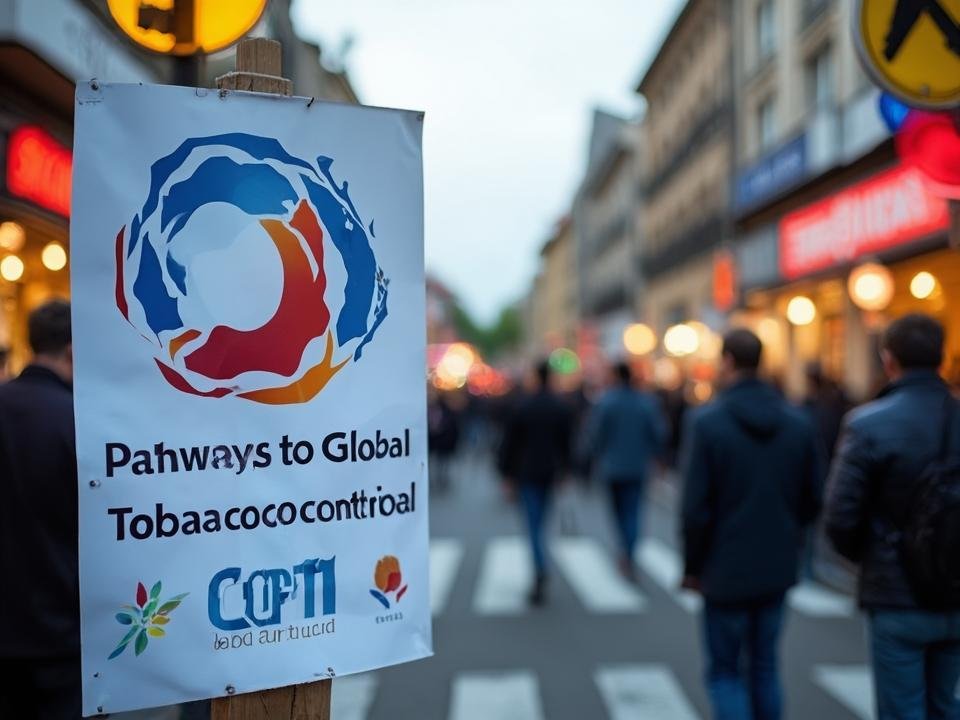
Core insight: The core of COP11 is not a debate over policy details, but a profound confrontation rooted in the global public health field: rigid ideologies are fiercely colliding with emerging scientific evidence. The outcome of this meeting will determine the fundamental direction of future global tobacco control strategies and mark a critical turning point.
Driving factors:
- Ideological deadlock: The World Health Organization’s Framework Convention on Tobacco Control (FCTC) has long adhered to strict injunctions, treating all nicotine products as an equal threat. This traditional stance is in direct conflict with the emerging public health concept of “Tobacco Harm Reduction” (THR), which advocates saving lives through low-risk alternatives.
- Challenge of scientific evidence: Countries represented by the UK have achieved significant results in reducing smoking rates by supporting alternatives such as e-cigarettes. These successful cases based on real-world evidence provide strong support for the “harm reduction” strategy and fundamentally question the effectiveness of traditional prohibition models.
- Institutional inertia and lack of transparency: The COP conference is known for its “closed door” culture and exclusion of independent scientists and consumer representatives. This institutional opacity exacerbates ‘groupthink’, allowing injunctions to be consolidated without sufficient scientific debate, thereby hindering evidence-based policy innovation.
Key evidence:
- The national stance is sharply opposed: Belgium, as the core of the European Union, its Minister of Health will host a global seminar against new nicotine products; In sharp contrast, the UK delegation will once again emphasize that the harm of electronic cigarettes is much lower than that of smoking, and position it as an effective smoking cessation aid.
- The actual effect of harm reduction strategies: The article clearly states that the “harm reduction” method has helped countries such as Sweden and the United Kingdom achieve record low smoking rates.
- The official position of the WHO Secretariat: According to reports, under agenda item 4.5, the WHO Secretariat’s own briefing document “completely denies harm reduction methods”, indicating that its official position tends towards bans rather than innovation.
- Serious lack of transparency: The conference only accredited 29 observer organizations, while the United Nations Climate Change Conference had over 4000. This data starkly reveals its closed nature.
- Limitations of existing strategies: Despite decades of strict regulation, global smoking still causes “7.5 million deaths” annually, highlighting the urgent need for change in current strategies.
Strategic insights:
COP11 is not only a regular international conference, but also the ultimate test of the adaptability and scientific rationality of the global public health governance system. The results will reveal whether global tobacco control policies choose to stay within outdated ideological barriers or embrace scientific innovations that can save millions of lives. If FCTC continues to reject the concept of “harm reduction”, its credibility and moral authority will face serious erosion; On the contrary, if we can shift towards a pragmatic strategy centered on evidence, it may open a new chapter in global public health that shifts from “ideology” to “actual impact”.